
Green Schools Project
The Green Schools Project is BFGGHANA’s environmental education and afforestation initiative designed to inspire a culture of environmental responsibility in schools across Ghana.
The project goes beyond planting trees. It equips students and school staff with practical knowledge about afforestation, the effects of deforestation, climate change, and the importance of protecting the environment. Through both learning and hands-on activities, participants develop the skills and commitment needed to care for trees and contribute to a greener future.
Each year, BFGGHANA will implement the project in 10 schools across Ghana; five schools previously supported by BFGGHANA and five schools selected from outside our network. This approach allows us to strengthen our existing partnerships while extending our environmental impact to new communities.
Project Objectives
The Green Schools Project aims to:
- Promote afforestation in schools across Ghana.
- Educate students and school staff on environmental conservation.
- Encourage schools to establish and maintain green spaces.
- Foster a lifelong appreciation for nature among young people.
- Support Ghana’s efforts to restore and protect its environment.
Project Activities
The project combines environmental education with practical action through:
- Interactive lessons on afforestation, deforestation, climate change, and tree care.
- Tree-planting exercises within participating schools.
- Practical training on nurturing and maintaining planted trees.
- Support for school-led environmental clubs and sustainability initiatives.
Target Beneficiaries
The project serves:
- Primary, Junior High, and Senior High School students.
- Teachers and school administrators.
- Non-teaching staff.
- School communities across Ghana.
Implementation Timeline
The Green Schools Project follows an annual implementation cycle:
- January: Prepare nursery sites, fill nursery bags, and sow tree seeds to raise healthy seedlings.
- March: Begin environmental education sessions in participating schools, focusing on afforestation, deforestation, climate change, and environmental stewardship.
- Late May: Transplant seedlings and carry out tree-planting exercises in participating schools to coincide with the rainy season and improve tree survival.
- August – September: Monitor and evaluate the project, assess tree growth and survival rates, and provide follow-up support to ensure the trees are well established.
Expected Impact
By the end of each project cycle, participating schools will have greener learning environments, increased awareness of environmental conservation, and stronger capacity to care for planted trees. More importantly, students and school staff will be empowered to become advocates for afforestation, helping to create a more sustainable future for their communities and for Ghana.
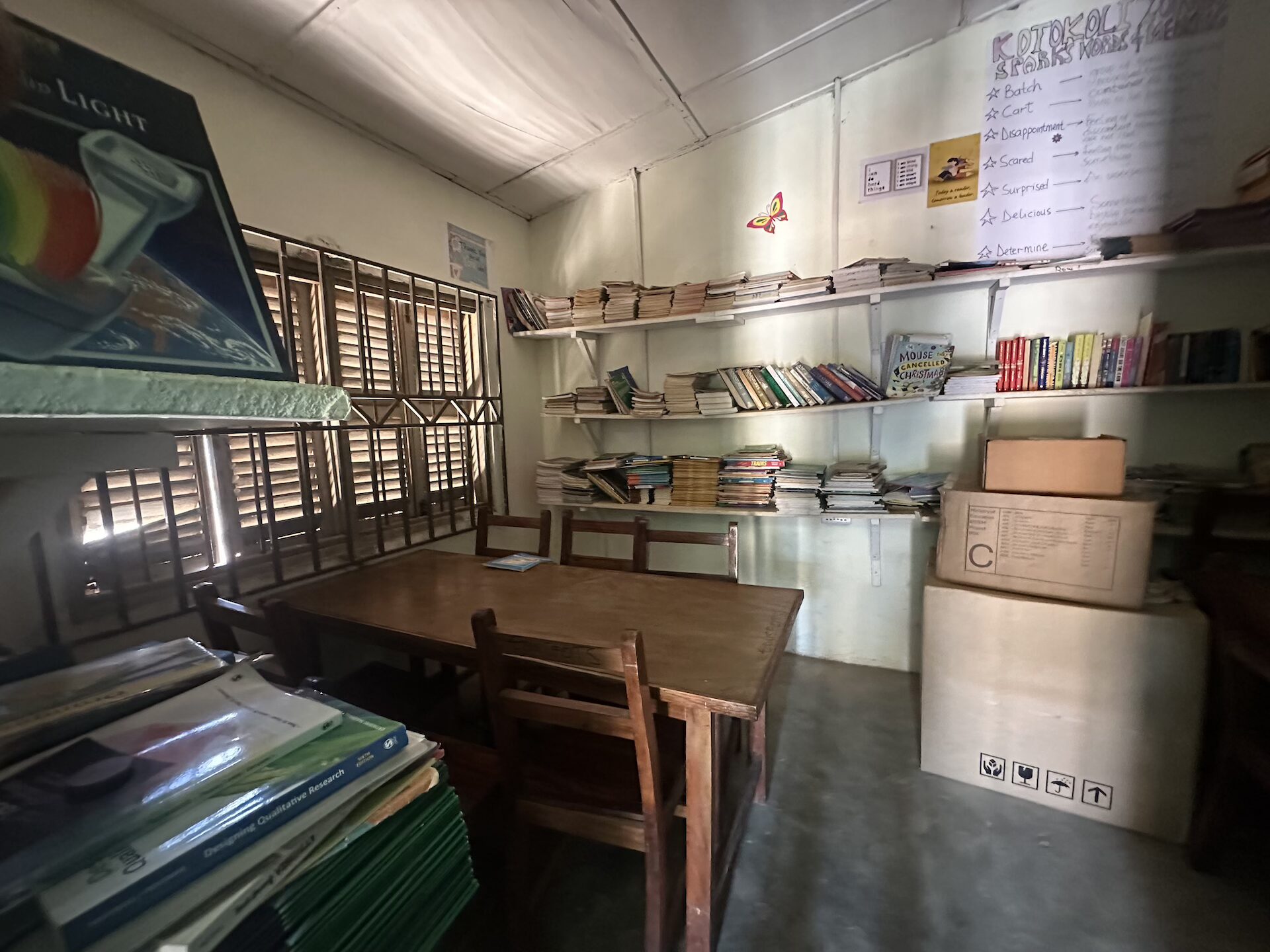
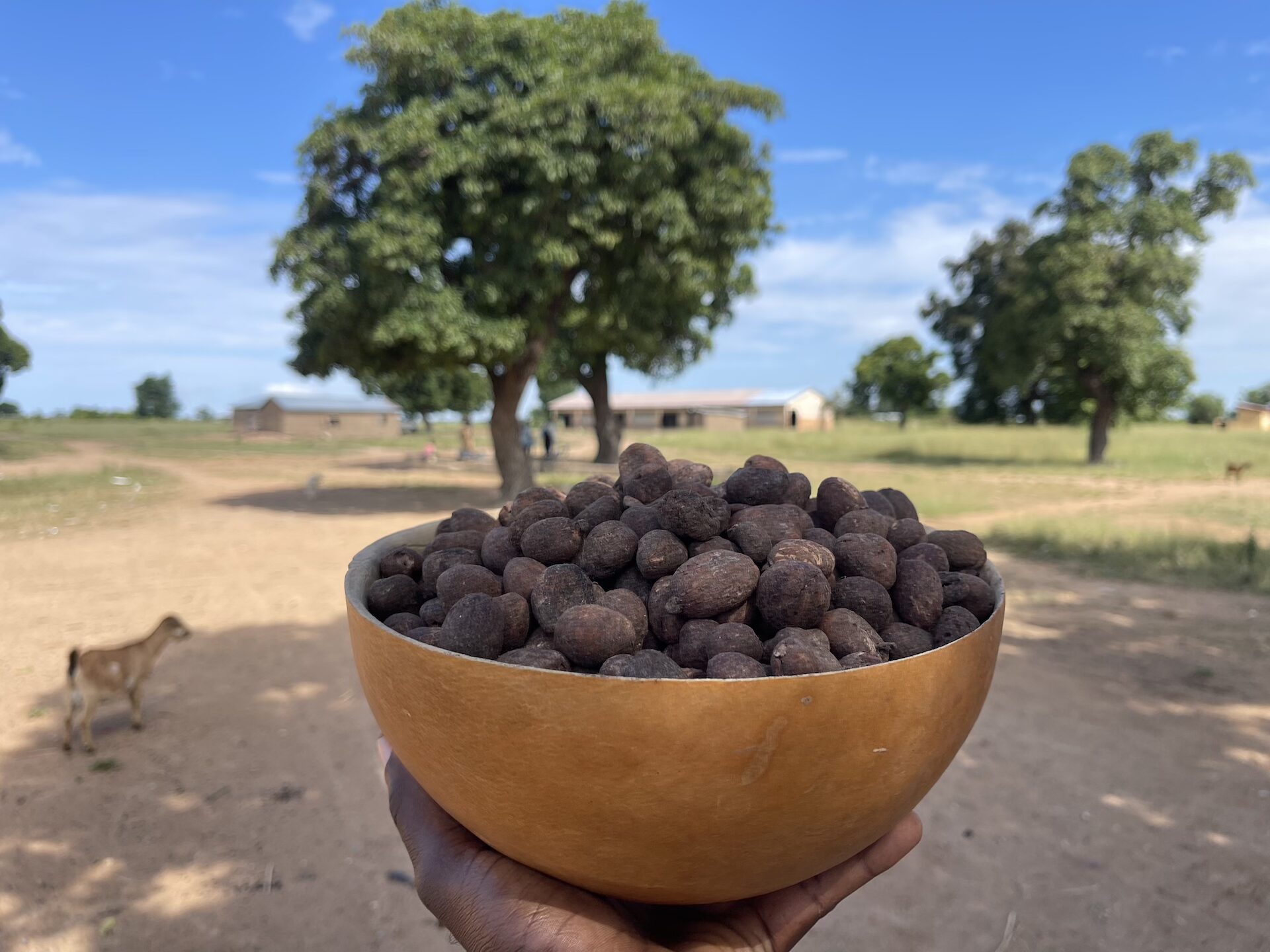
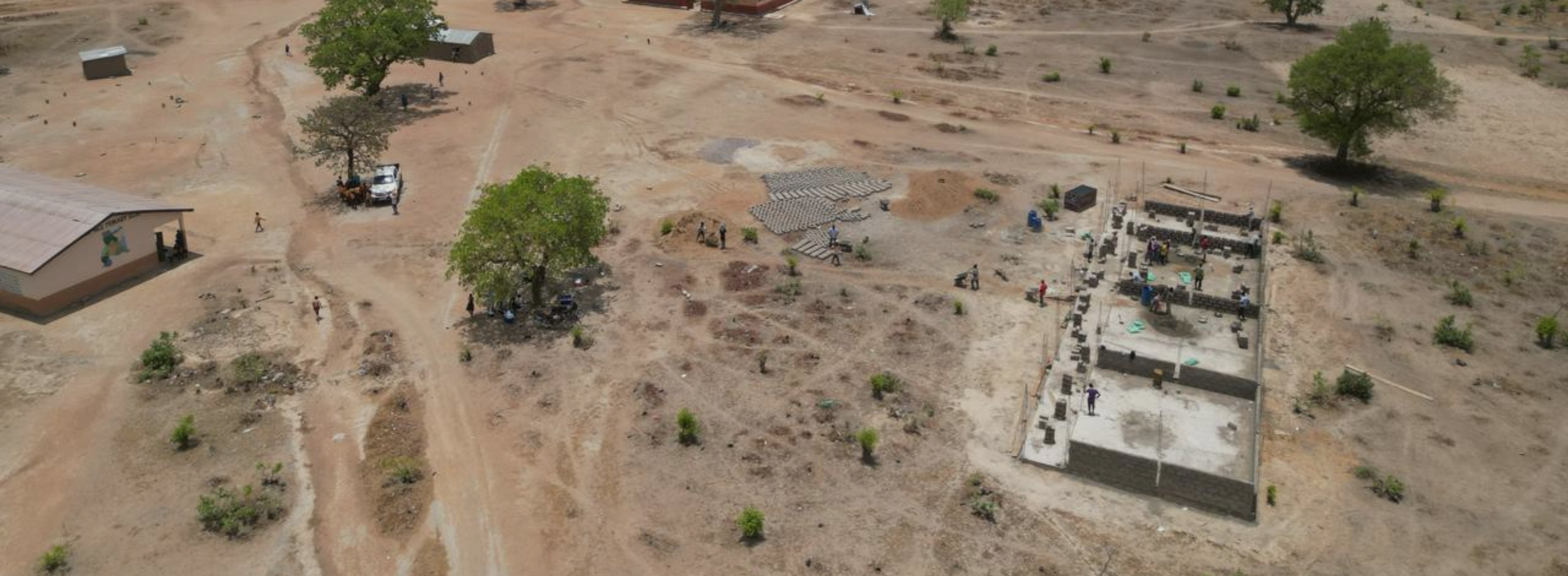
We are delighted to have been able to provide Educational Essentials
Thank you Green Peace for the Scholarship and for giving me: Uniform, Shoes, Socks, Bag, Books, Math set, Pencils and Pens.